
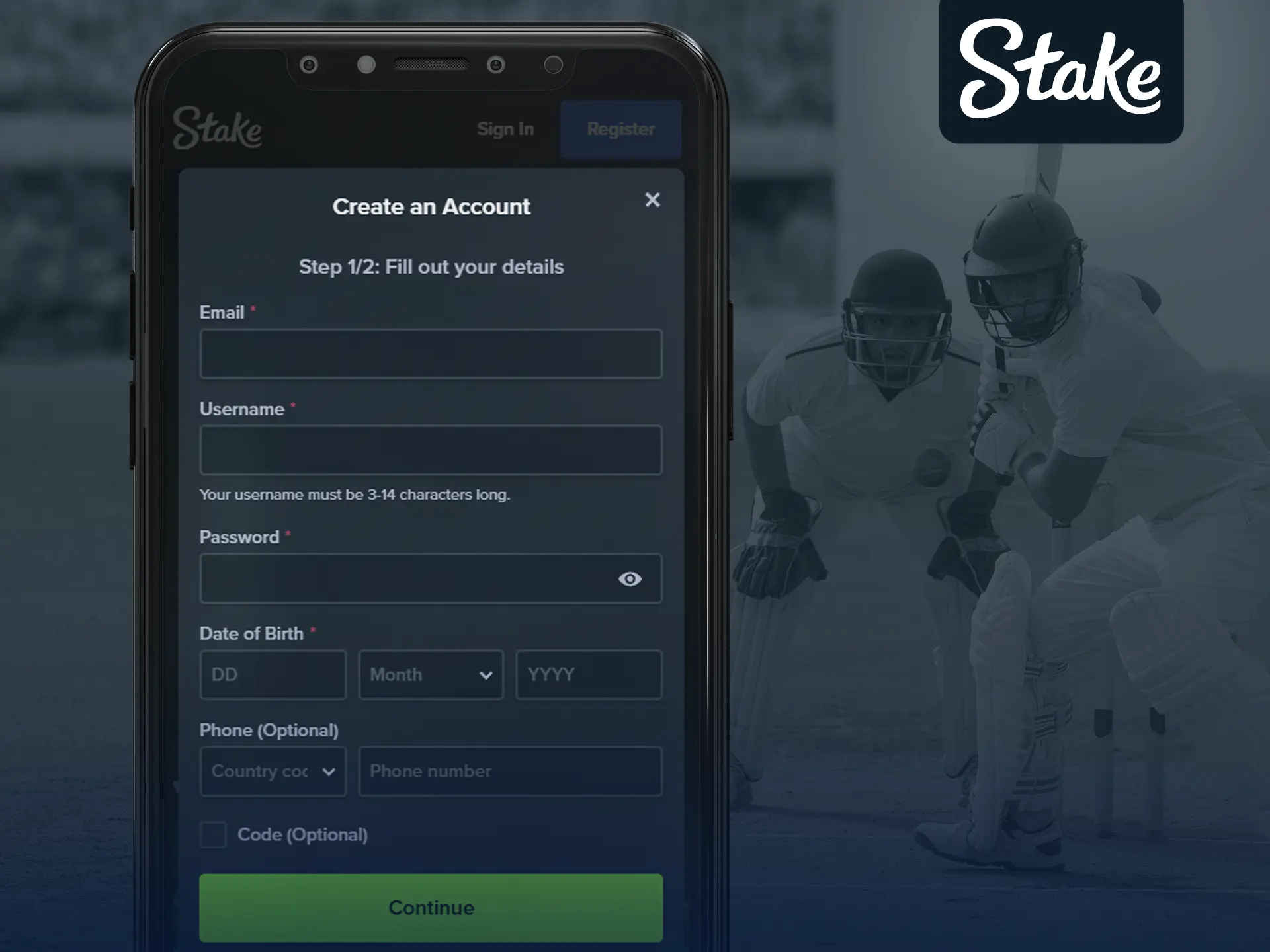
I dedicated considerable time analyzing the intricacies of gaining entry to premium live dealer content across various jurisdictions, and I appreciate the specific interest surrounding Stake Casino. Traversing the landscape of interactive gaming requires a clear understanding of platform mechanics, regional accessibility, and the technical tools that bridge the gap between a player and a real-time studio. The allure of live casino games resides in their ability to mirror the sophisticated atmosphere of a brick-and-mortar establishment right on a screen. When I look at Stake Casino, I observe a platform built on a modern interface that prioritizes speed and transparency. However, the geographical restrictions established by regulatory frameworks often introduce a layer of complexity that demands a precise, step-by-step approach to ensure uninterrupted access to live dealers, real-time card shuffles, and the spinning roulette wheel.
Responsible Conduct at the Real Tables
As much as I focus on the technical entry to the games, I give equal importance to my conduct once sitting at the live table. The existence of a real human dealer requires a level of etiquette that anonymity does not remove. I engage with the chat box positively and honor the dealer’s time limits for placing bets. The absorbing quality of the studio environment can speed up decision-making, so I utilize the platform’s responsible gaming tools preemptively. I establish strict session time limits and loss ceilings within the account settings before a single card is distributed. I consider live casino sessions as a high-end entertainment expense, not a revenue plan, and I arrange my playing time in blocks with mandatory breaks. This psychological structure secures that the excitement of the real-time interaction continues to be a source of positive stimulation, and the accessibility tools I have adjusted help to enhance my leisure time rather than disrupt my financial discipline.
How Stake Casino’s Live Lobby Stands Out
The live casino lobby at Stake Casino is a carefully selected collection of high-definition streams that match the production quality of television broadcasts. I am consistently impressed by the integration of industry-leading suppliers like Evolution Gaming and Pragmatic Play Live. When I enter the lobby, I am greeted by a user interface that clears away clutter, focusing entirely on the dealer and the game. The chat functionality is robust, allowing me to interact not just with the croupier but with a vibrant community of players. This social layer transforms a simple card game into an engaging spectacle. The platform offers everything from classic VIP tables with sky-high limits to original game shows that combine augmented reality with live hosts. The streaming technology used here is adaptive, meaning it adapts to my connection speed without sacrificing picture clarity, which is crucial for reading card values or watching the ball drop in the exact pocket of the roulette wheel.
Requirements for a Protected Connection Establishment
To simulate a domestic connection from a restricted region, I require to rely on a Virtual Private Network, commonly known as a VPN. The purpose of a VPN in this situation is fundamental; it acts as an encrypted tunnel, masking my true IP address and substituting it with one from a server situated in a area where the product is readily available. I always advise picking a high-quality, no-logs VPN provider because the velocity and security of the connection are mandatory for live streaming. A low-quality proxy will cause latency, resulting in the stream to lag mid-hand, which is a major failure in a time-sensitive game decision. Additionally, I ensure that my VPN has a kill-switch feature. If the protected connection disconnects suddenly, the kill-switch instantly severs my internet, stopping my true IP address from being revealed to the service’s geolocation verification server, thus maintaining a pristine access record.
Avoiding Common Authentication Hurdles
Even with a robust VPN, I occasionally run into challenges prompted by heavy-handed browser fingerprinting or old DNS data. If the platform works but the live lobby fails to appear, I immediately purge my Domain Name System cache using the command line tool particular to my operating system. I have discovered that changing my DNS settings to a public, privacy-focused resolver can solve hidden geolocation issues that a VPN alone cannot hide. Another roadblock I regularly encounter is the platform rejecting a session due to WebRTC leaks. WebRTC can expose my local network details even when the VPN is on. I routinely disable WebRTC in the browser privacy settings or use a specialized browser extension that prevents these leaks. If I get an account verification request, I approach it calmly as a standard compliance check, guaranteeing any documentation provided matches with the identity profile I established during registration, while still preserving my connection security.
Handling Financial Transactions efficiently
The financial structure of Stake Casino is based on digital assets, which offers a distinct advantage in transaction speed versus traditional banking rails https://stakes-casino.eu.com/. I prefer using cryptocurrencies like USDT or Ethereum for my live casino bankroll because they eliminate the processing delays imposed by fiat intermediaries. When I log into the platform through my configured environment, I carry out a single deposit into the vault to act as my session capital. The immediate verification of blockchain transfers guarantees that I never miss a seat at a high-demand Lightning Roulette table. It is essential to check the network selection before finalizing a deposit; sending funds on the wrong blockchain can lead to asset loss. I always maintain a separate, dedicated wallet for my entertainment funds, isolating it from my primary savings. This practice establishes a disciplined bankroll buffer that safeguards my capital while enjoying the swift, low-friction deposit and withdrawal process that defines the platform’s cashier.
Optimizing Bandwidth for Seamless Dealer Streams
Real-time casino play requires significantly more data than standard slot play due to the high-resolution video feed from the studio. I avoid public Wi-Fi networks for this activity not just because of security weaknesses, but because restricted bandwidth leads to frame drops. I require a stable fiber or high-speed cable connection with a minimum of 10 Mbps allocated solely to the stream to maintain HD clarity. Inside the game interface, I often customize the video quality settings, locking them to a medium-high tier rather than automatic. This prevents sudden resolution switches that interfere with the immersive feel of the table. Additionally, I consistently close background applications that sync to the cloud, as these micro-uploads can create jitter in the live feed. A lean machine ensures that the audio from the dealer remains perfectly synchronized with the visual dealing of cards, allowing me to read the table without interruption.
Understanding the Legal Framework for Interactive Gaming
Before I go into the mechanical mechanics, I have to address the regulatory environment that determines how platforms work. The legal framework in many jurisdictions distinguishes between traditional fixed-odds betting and digital peer-to-peer or house-banked games. I have observed that operators possessing specific international licenses often confine service availability to comply with local sovereignty. When I examine the access protocols for a site like Stake Casino, the limitation is not a question of technical inability but of legal compliance. The platform utilizes geolocation verification to guarantee it adheres to licensing conditions. This indicates that the principal barrier between a user and a live blackjack table is a virtual geo-fence. Comprehending this assists me appreciate that the answer lies in proper privacy tools rather than questionable workarounds. The objective is to bring back the bond that the licensing geography cuts, always following the terms of use set by the provider.
Comprehensive Setup for Streaming Access
I initiate the procedure by clearing my browser cache fully to remove any stored location markers. Then, I enable my VPN client and pick a remote server based in a region where Stake Casino’s live games are operational without restriction. I favor using exclusive streaming servers if my VPN provider offers them, as these are optimized for high bandwidth. Once the VPN connection indicator indicates a secure green light, I launch a fresh incognito browser window. I then proceed to the authorized Stake Casino URL. The platform should at this point read the IP address of the VPN server and render the full, unrestricted user interface. Upon login, I always enable Two-Factor Authentication using an authenticator app as opposed to SMS, as this ties security firmly to my physical device rather than a phone number that might hint at my real location. This series of digital hygiene establishes a perfect entry point.
Maintaining Privacy During Long-Term Sessions
Steady access across months necessitates regular digital housekeeping. I regularly rotate my VPN endpoint after several sessions, switching between different server locations and IP addresses to prevent developing a predictable digital signature. I rarely store my main trading wallets directly on the gambling interface for extended periods; I transfer excess capital to my private cold storage right away after a winning session. I also utilize a dedicated, sanitized browser profile only for this access point, stopping social media cookies and tracking scripts from linking my gaming activity with my personal identity. This separation of digital avatars is vital for persistent anonymity. By viewing privacy as a continuous practice rather than a one-time fix, I maintain a stable buffer against policy changes or network monitoring. The ultimate goal is to facilitate a seamless, private bridge to the tables that functions invisibly in the background, allowing the quality of the software and the professionalism of the dealers to shine without interruption or concern.
Obtaining a reliable route to the live dealer floor at Stake Casino hinges on a combination of rigorous network privacy, platform literacy, and behavioral etiquette. I have described the technical configuration needed to bypass regional mapping while emphasizing the critical nature of high-bandwidth connections and transaction discipline. By systematically applying these privacy tools and session management strategies, I convert a geographically restricted environment into a frictionless, cinema-quality interactive experience. The capacity to join a live table does not depend on simply finding an open door, but on building a secure personal tunnel that safeguards my data and ensures the stream remains as steady as a clockwork mechanism. When these elements align, the barrier of geography vanishes completely, presenting only the pure dynamic between myself and the authentic game unfolding in real time.
